On-brand AI image generator and AI content agents for Pathless Presence
Pathless Presence came to me for on-brand AI images before it had anything online. I built its brand, a platform with two AI agents that write in its voice and a home for its community, then an AI image generator that holds its artist's watercolour style. Now the team makes every image in-house.
- Client
- Pathless Presence
- Sector
- Generative AI, Wellness
- Scope
- Product DesignWebsite DevelopmentAI Agent DevelopmentAPI IntegrationAI Image Generation
- Technologies
- FigmaNext.jsVercelNeon PostgresComfyUIRunPod
- Models
- GPT Image 2GPT-5.5Claude OpusClaude Sonnet
Background
Pathless Presence is a community for mindful people, built on the idea that there's no set path to follow, only your own experience to go forward from. When the team first came to me it was still an idea, and they knew exactly what they wanted the world to see before they had the technical words for it. What they asked for was an image model of their own, so they could put out a steady stream of content in the brand's style.
Building a model from scratch takes the kind of budget only the largest labs have, and what Pathless Presence needed was a reliable way to make on-brand images whenever the team wanted them. I wrote them a proposal for that, and then it went quiet for three months.
When they came back, they'd settled the art style with their artist, but Pathless Presence had nothing online yet, and the only brand asset was a small logo saved as a low-resolution image. They wanted the platform first, so the images waited.
The platform
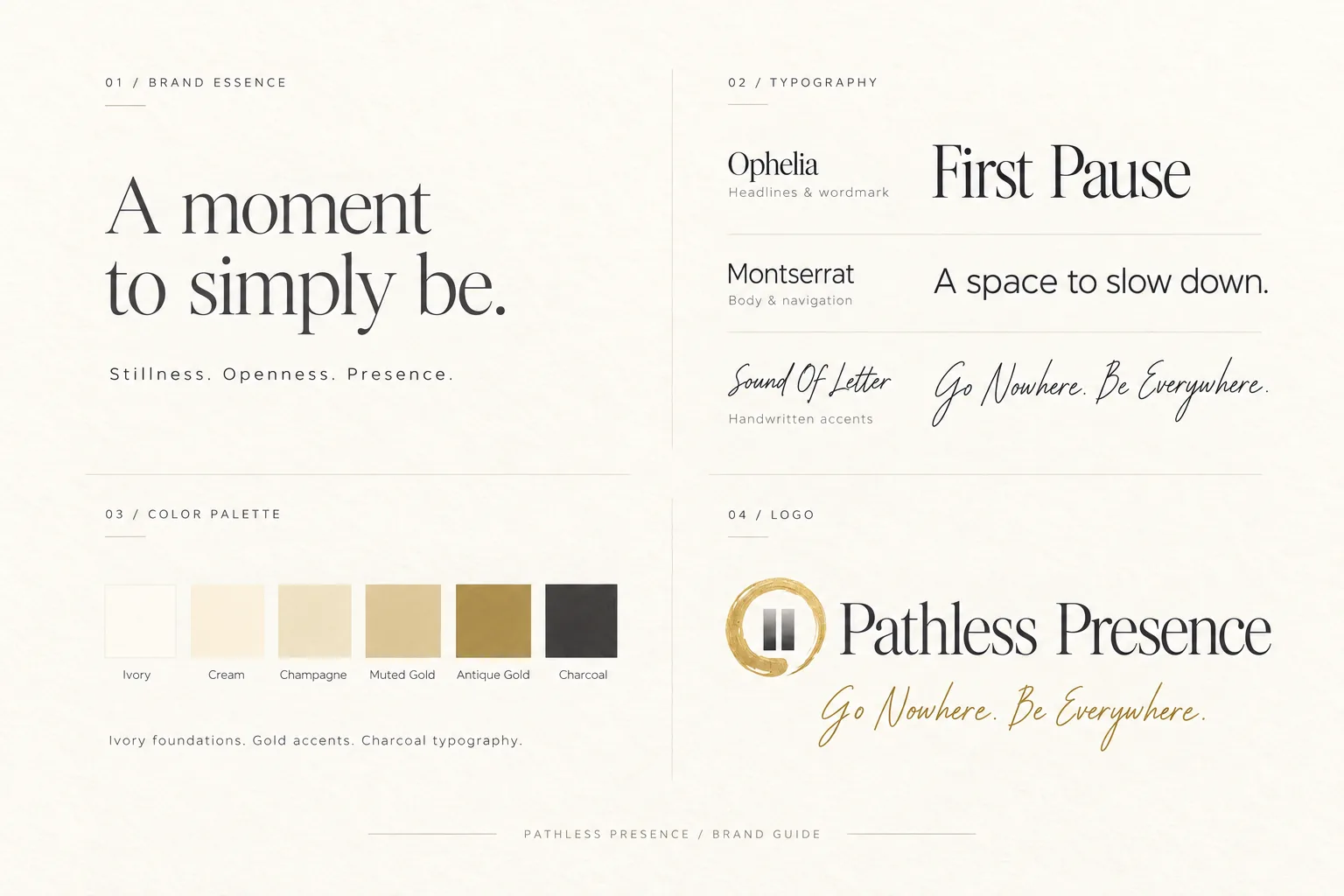
I built the brand out from that logo, with its colours and a design language, then mapped out every page and designed and built the site. Pathless Presence invites people to find their own way, so the site is spacious on purpose, and every page has room to breathe around the artist's paintings. The copy was written with a poet, and it had to stay gentle, never preachy and never sounding like a guru handing down enlightenment.
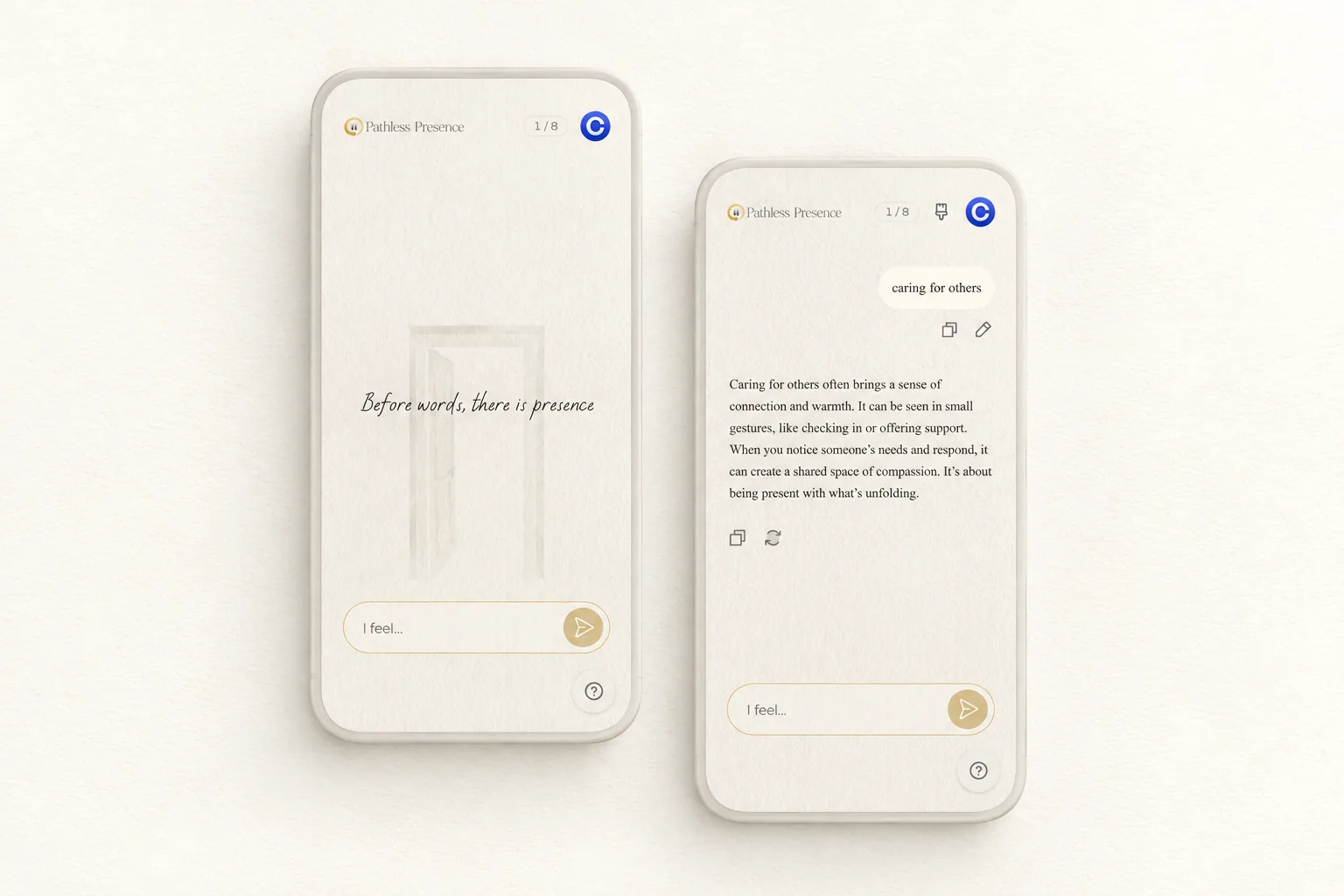
The poet's dos and don'ts became the instructions behind two AI agents, and both draw on a knowledge base the team fills with teachings and transcripts of their own talks. Members talk to the first, called The Door, on the site. The second is a content agent in the admin panel that writes posts for every channel in the brand's voice, down to carousels of twenty slides, and the team can change what either one knows and how it speaks without a developer.
Pathless Presence had already paid for Circle to host the community, so I set it up there, with a space for each step of the journey, from a newcomer's first pause to the weekly calls and the archive of their recordings. Then I linked it to the site with a single sign-in, and every space got a page of its own on the site.
The problem: AI model drift
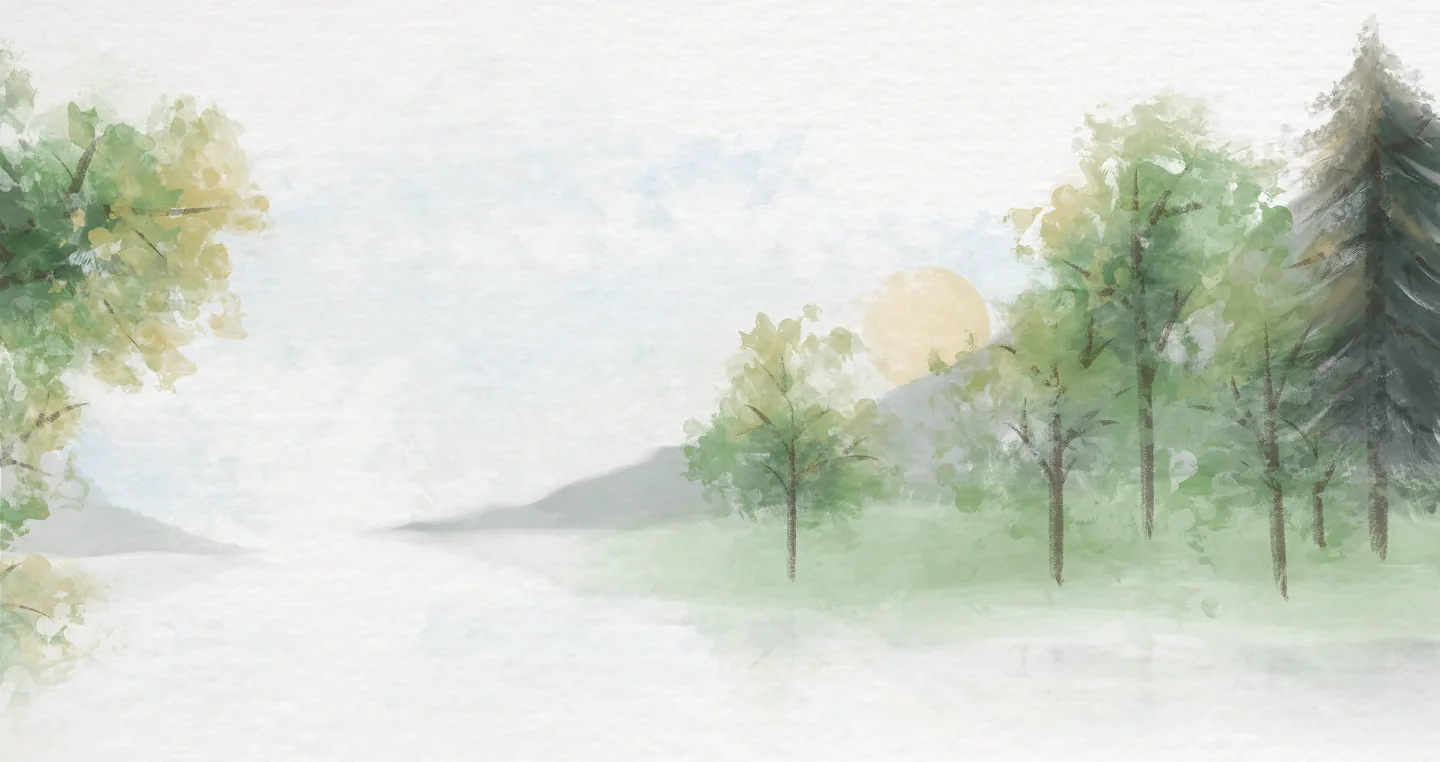
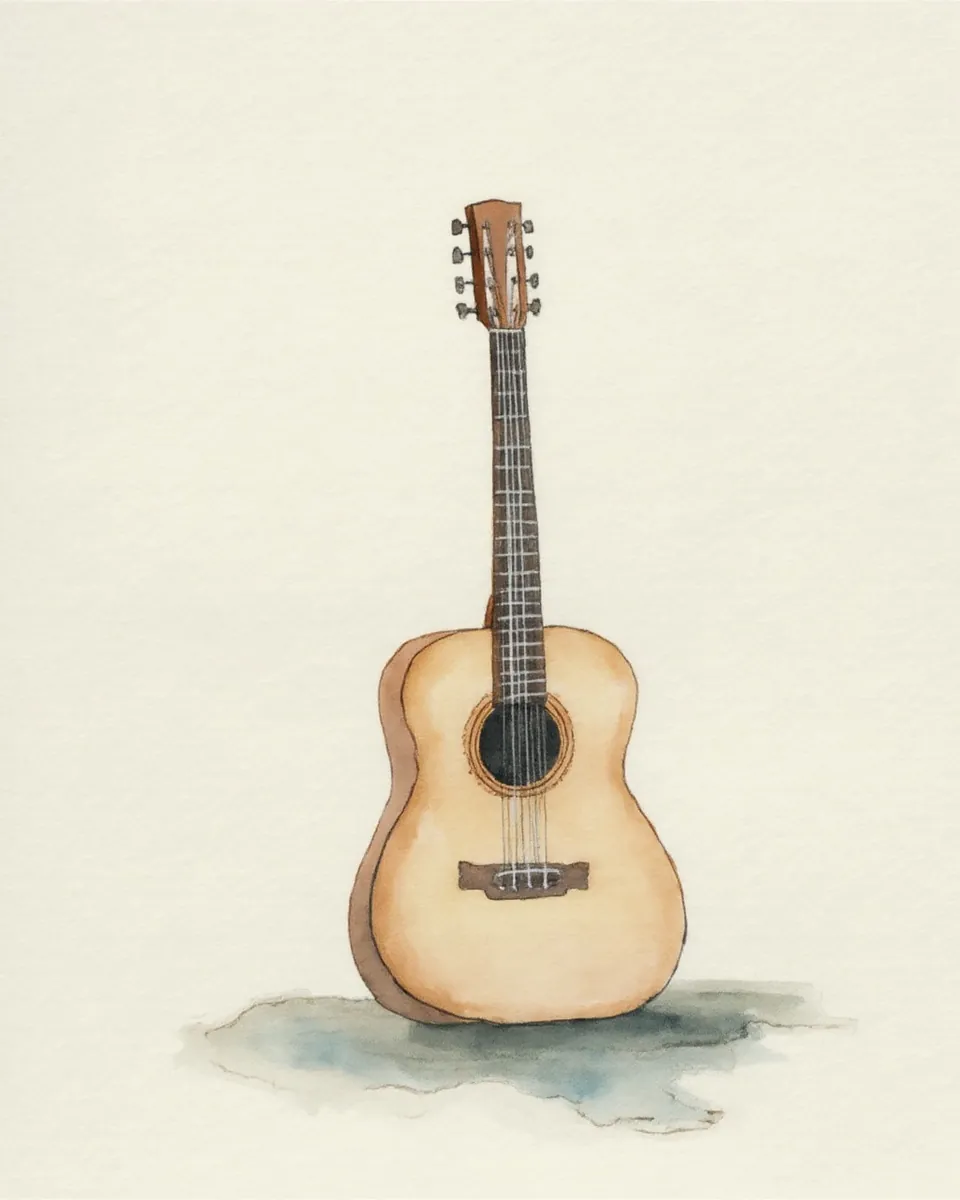
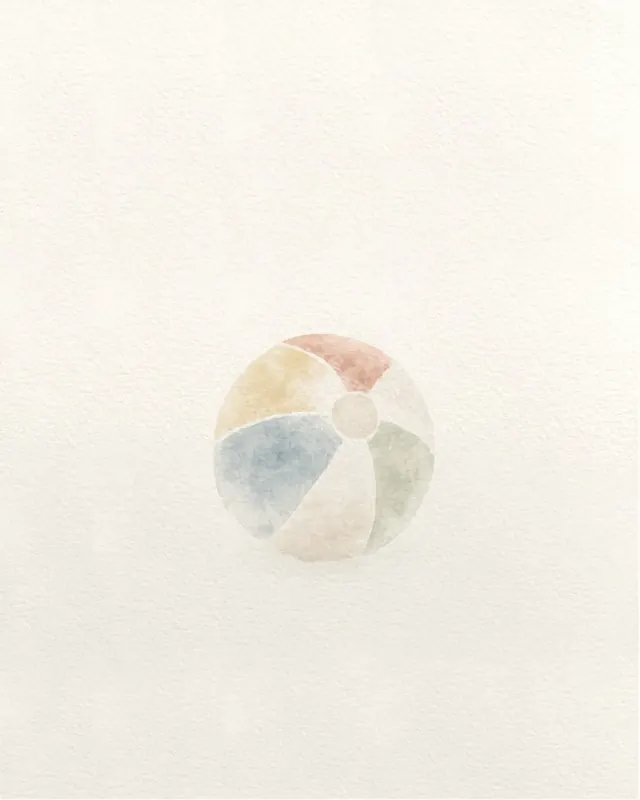
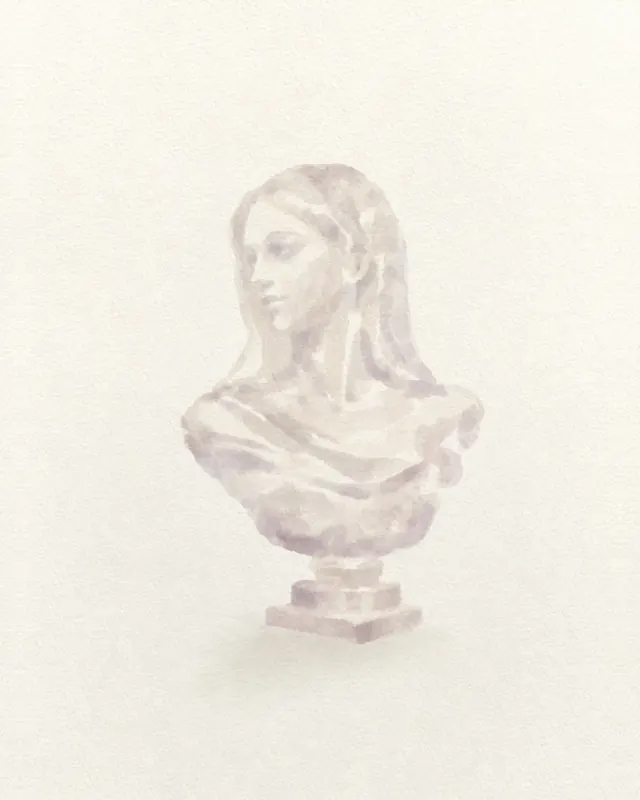
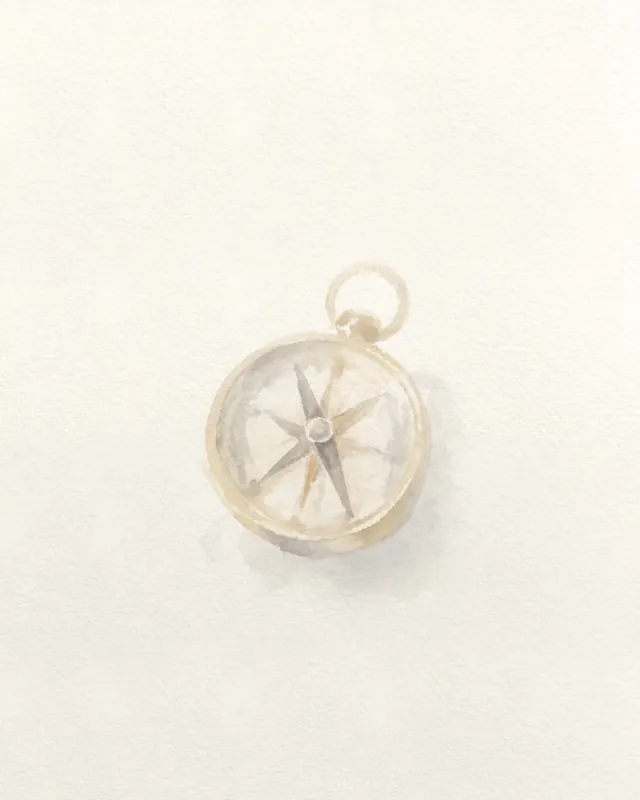
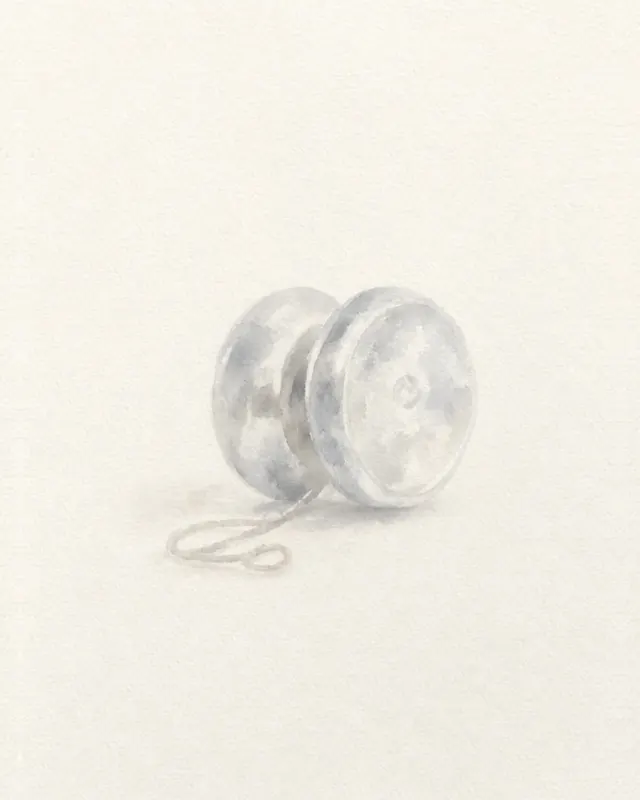
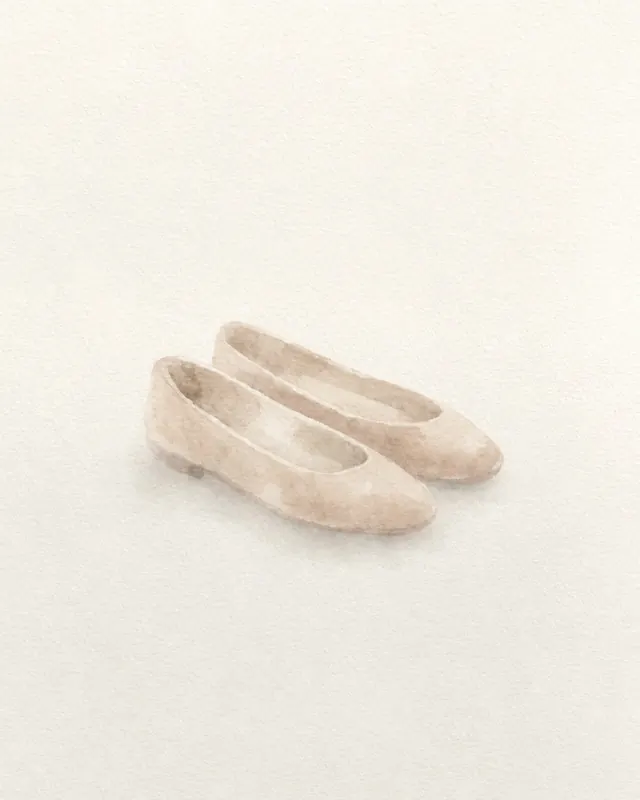
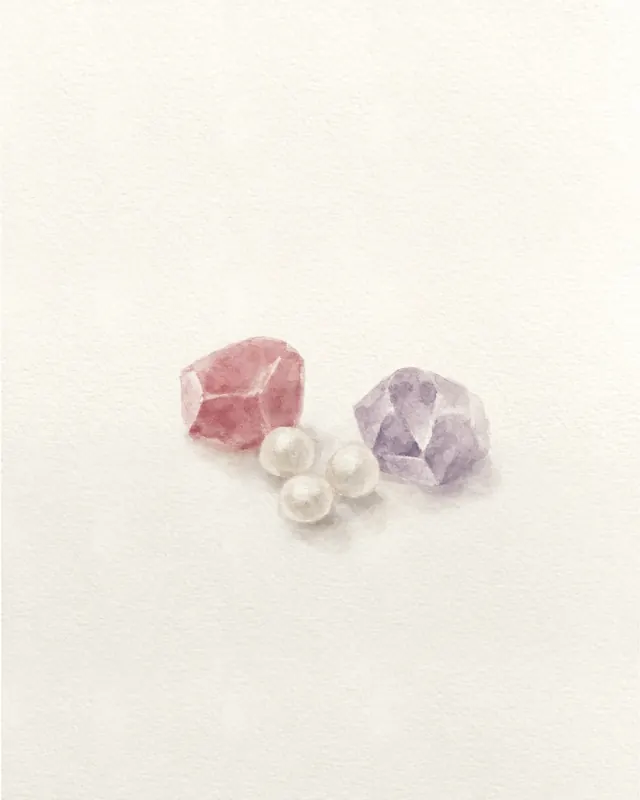
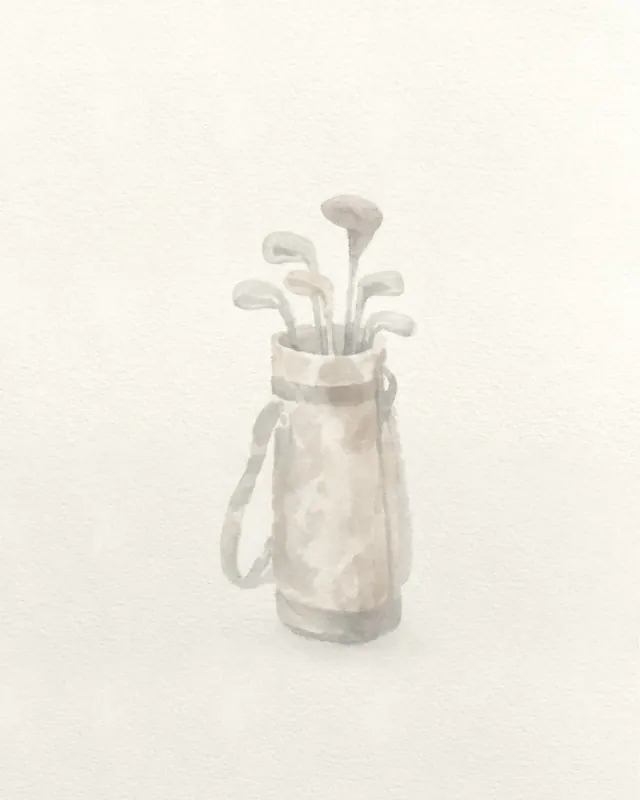
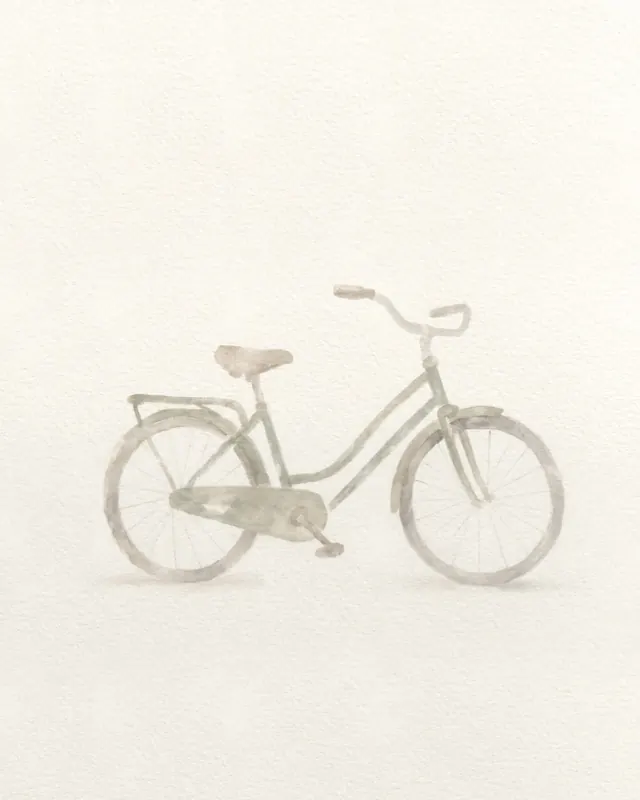
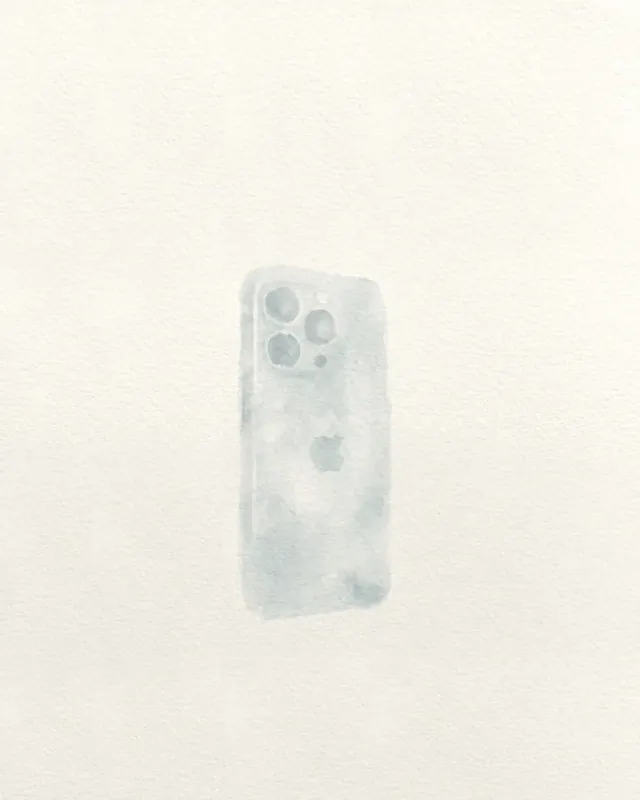
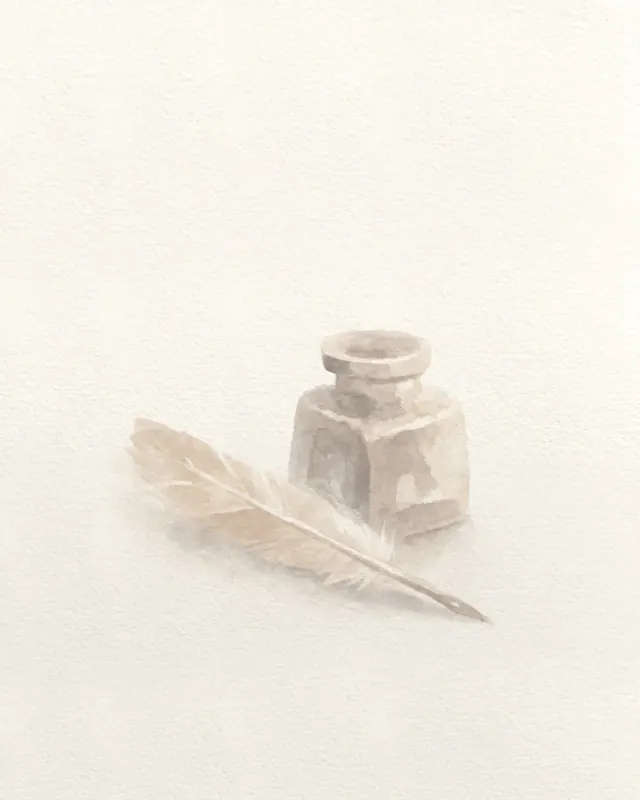
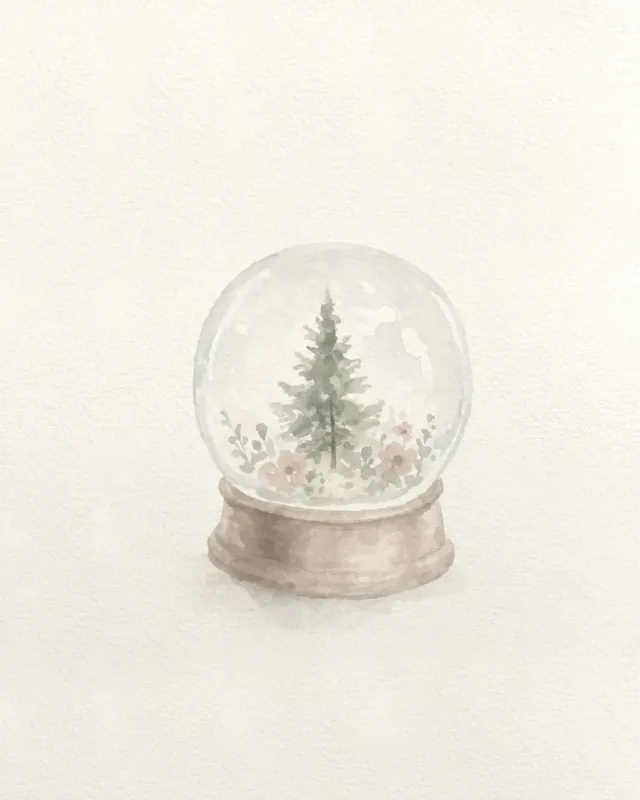
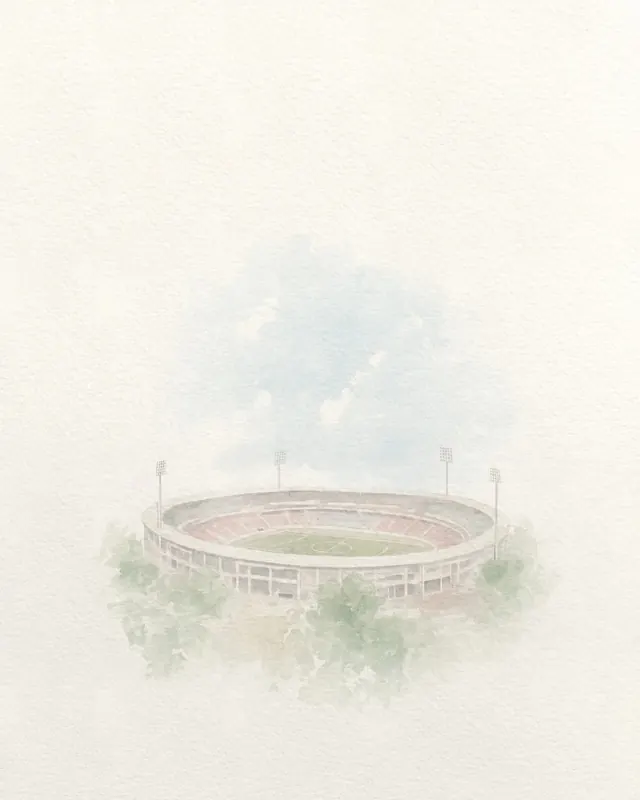
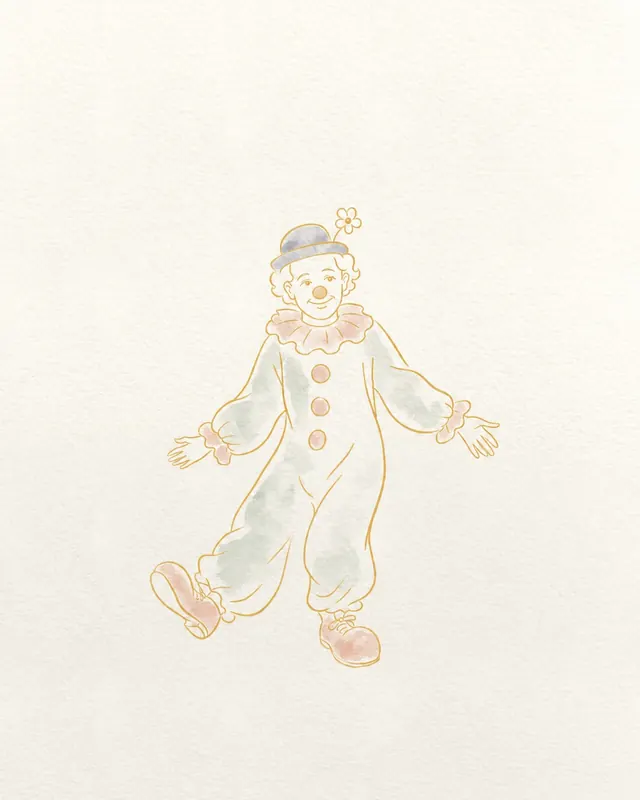
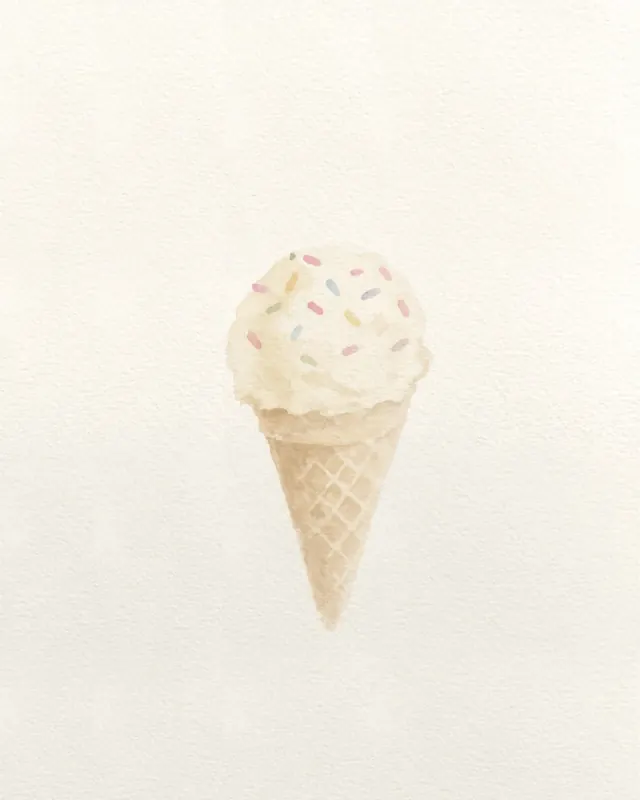
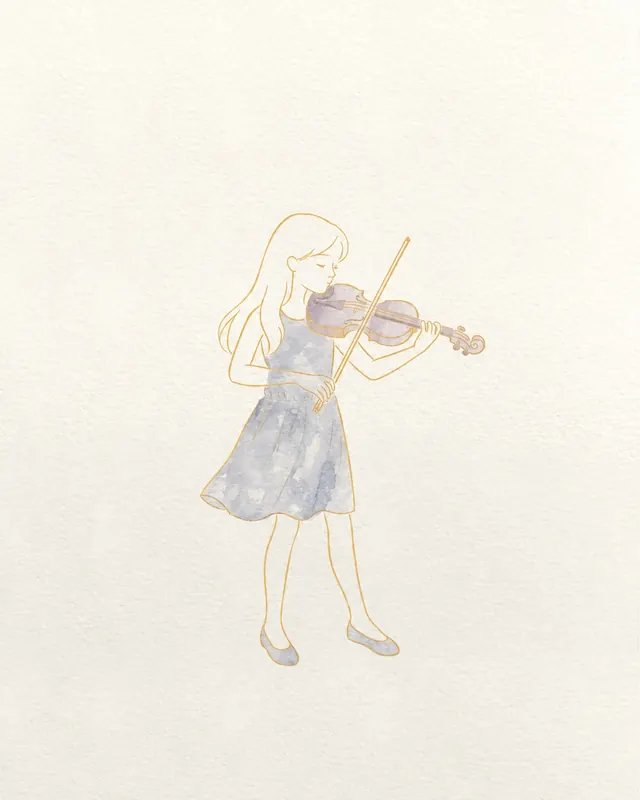
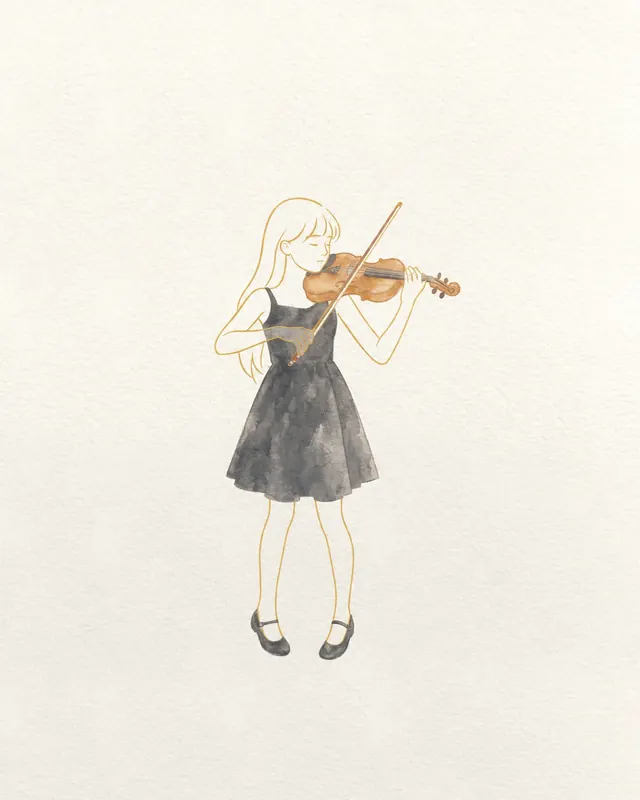
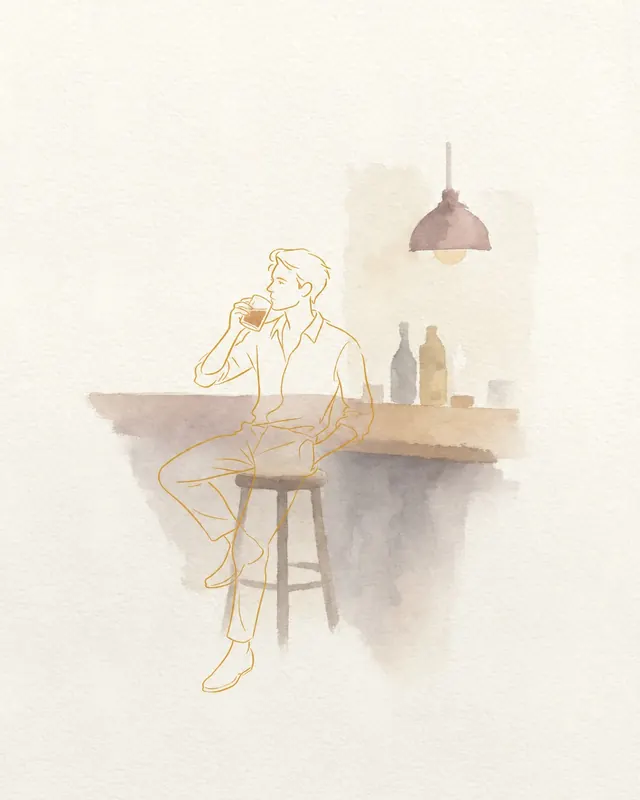
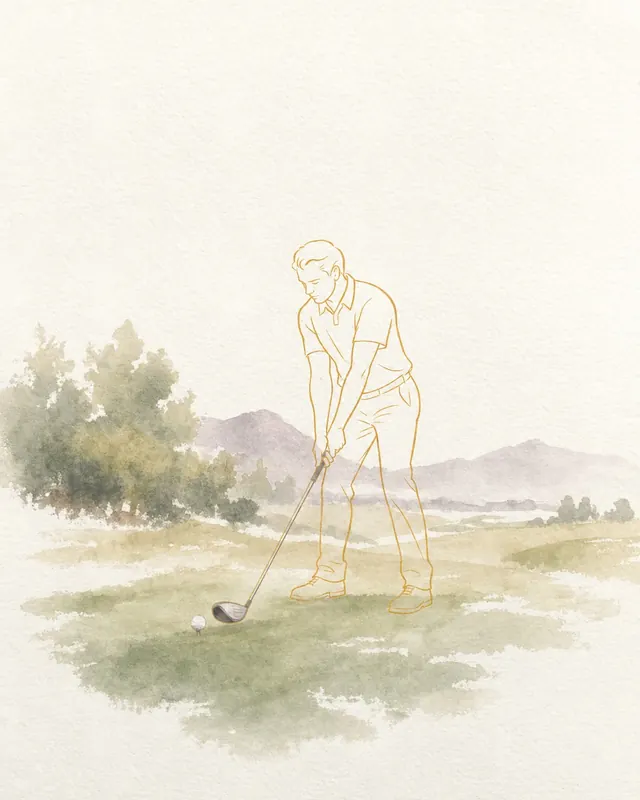
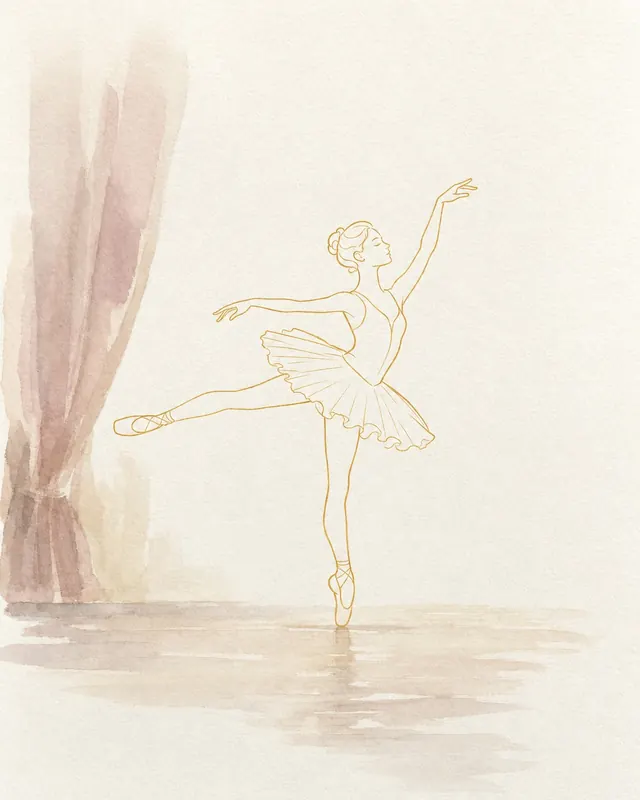
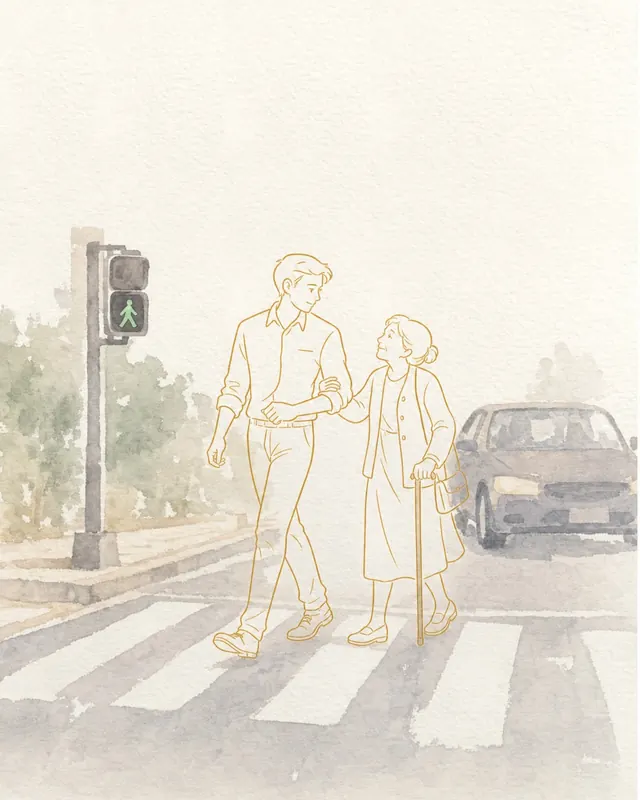
Then came the images, the thing Pathless Presence had asked for first. Their artist paints in soft watercolour on cream paper, close to Chinese ink and as quiet as a place you half remember from a dream, and the style covers objects, spaces, and characters drawn as a gold outline with the scene showing through their skin.
Image models learn mostly from photographs, CGI and anime, so a style this rare pulls against everything they know. The team and I started in Midjourney, then tried Nano Banana and Leonardo, and each one got close before drifting toward a look of its own, with more detail than the style allows and colour bleeding past the edges. I hosted Flux on ComfyUI on a rented GPU and ran every image through several passes, one of them only there to take detail back out, and then trained a LoRA, a small add-on that teaches a model one style, on the artist's paintings, which meant paying to train it again after every change. A GPT Image agent got most of the way at once and stayed there through about fifty versions of its instructions, and a second round in Midjourney drifted the same way the first had.
 Flux on ComfyUI
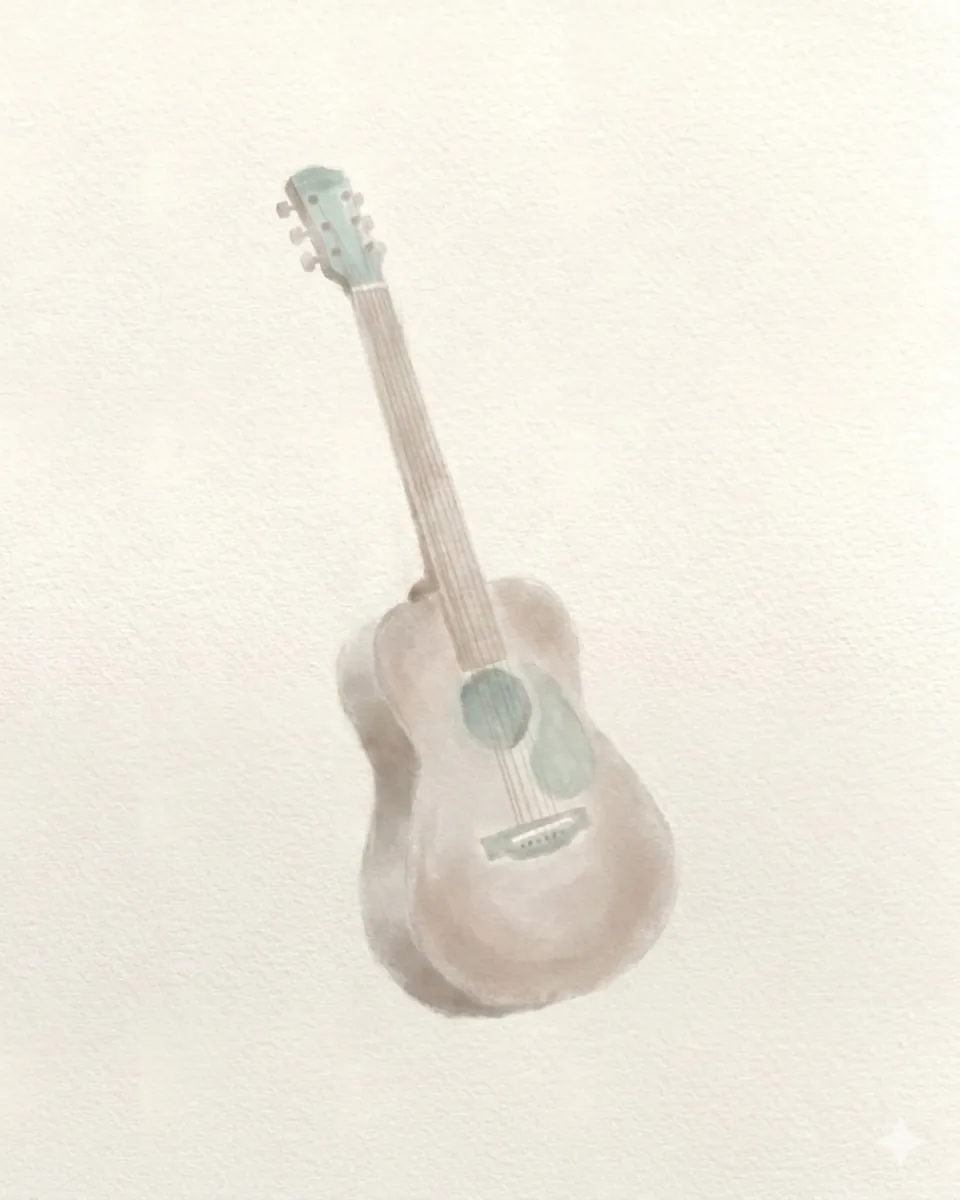 The team's own tries
The characters were the hardest part, because a model has almost never seen a figure that's empty inside, so it kept filling them in with paper. Each of the three kinds also looked a little different in the artist's work, the objects more defined and the spaces softer and more dreamlike, so there was never one target to aim at.
Why it drifted
What I built
Every app wraps the model in instructions of its own before yours ever reach it, and after all those weeks I could see how far a single stray word could knock the style off. So I built Pathless Presence a generator of its own that sends each request straight to the model, with nothing in between.
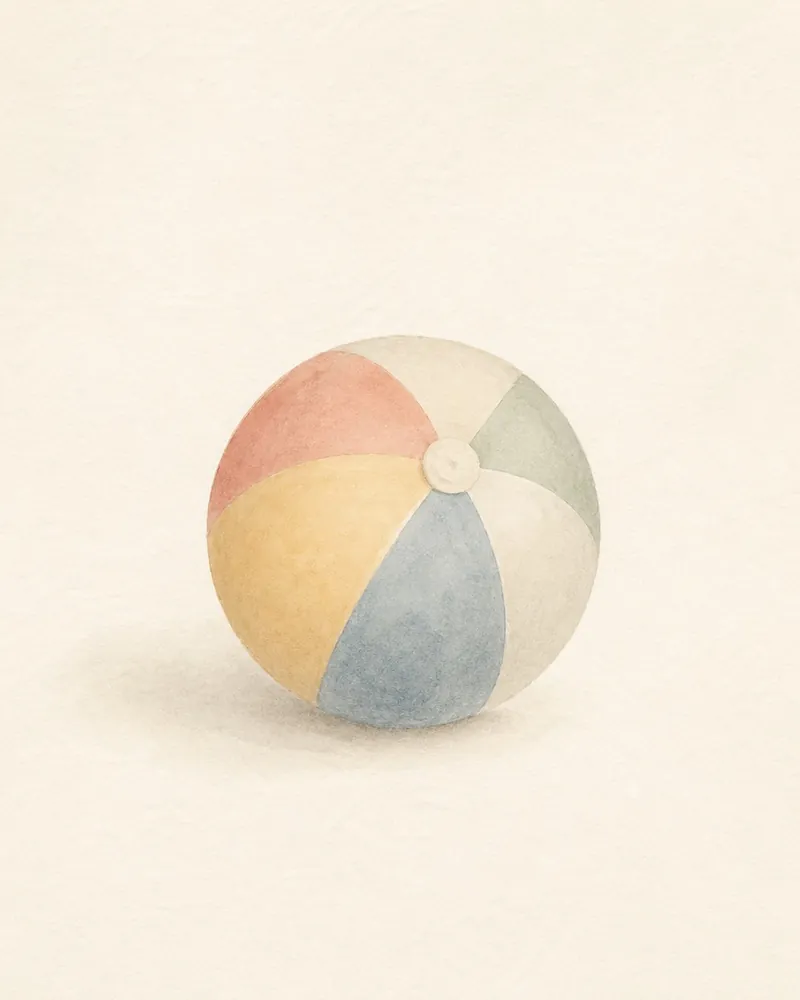
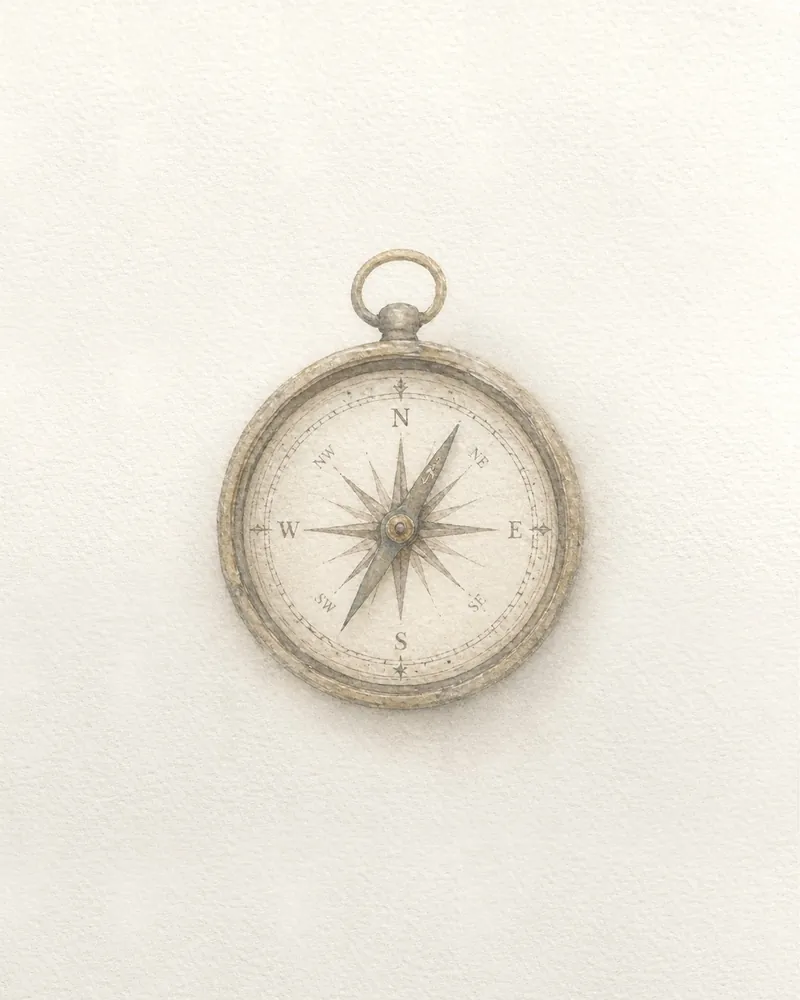
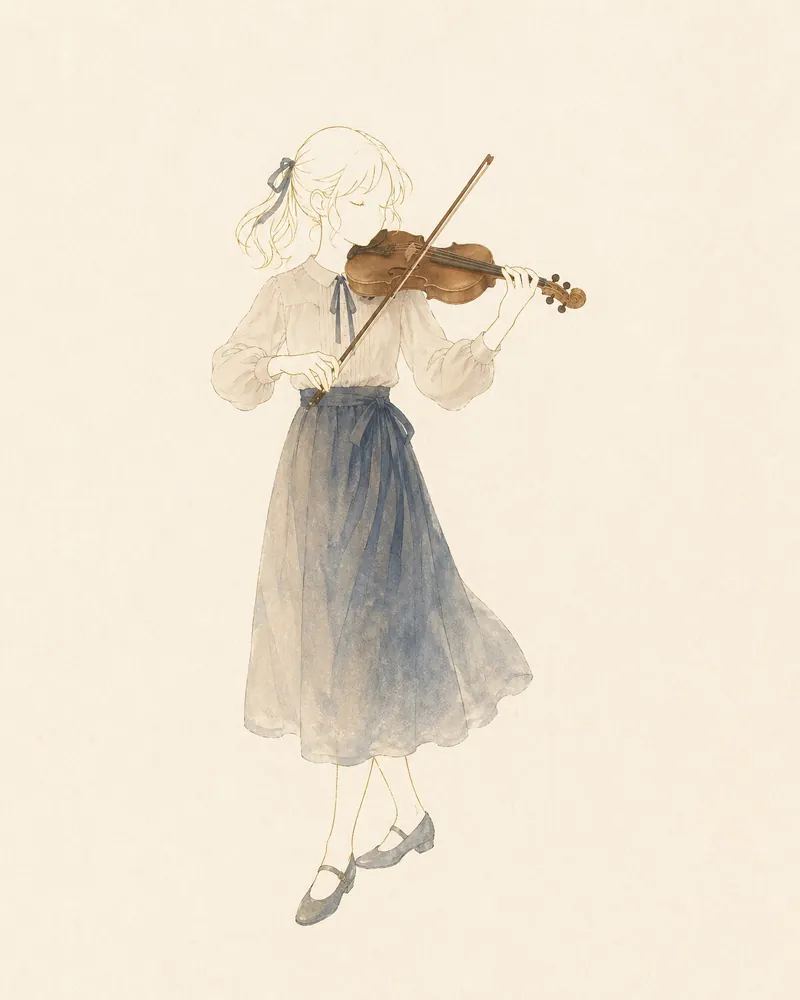
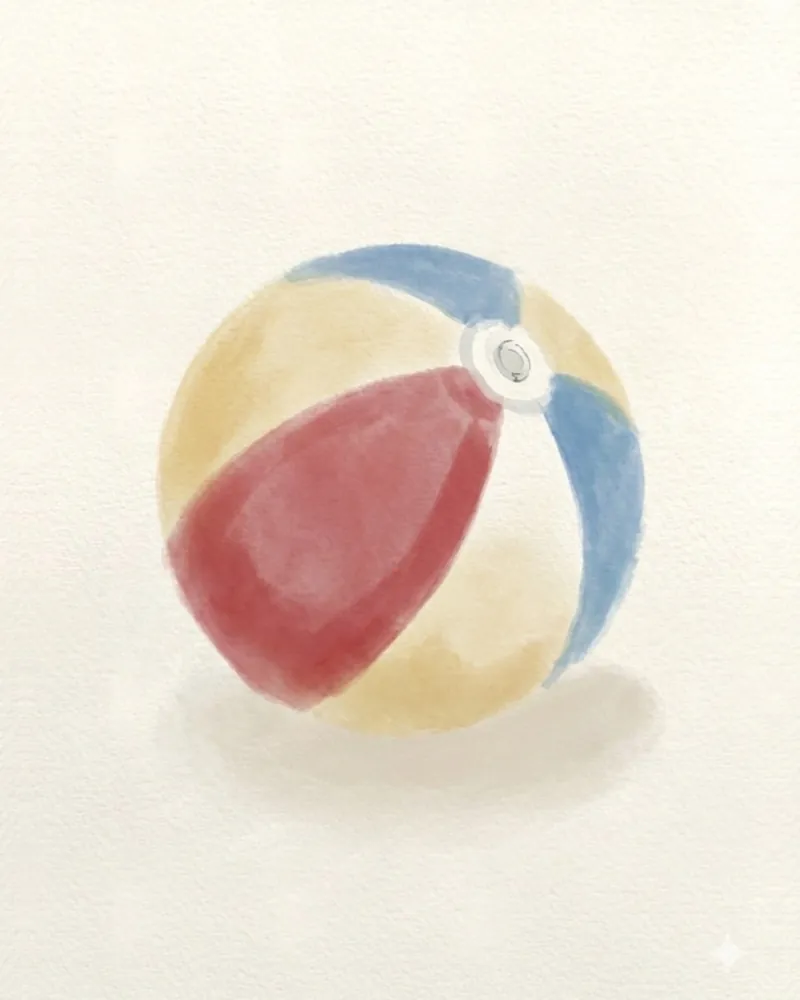
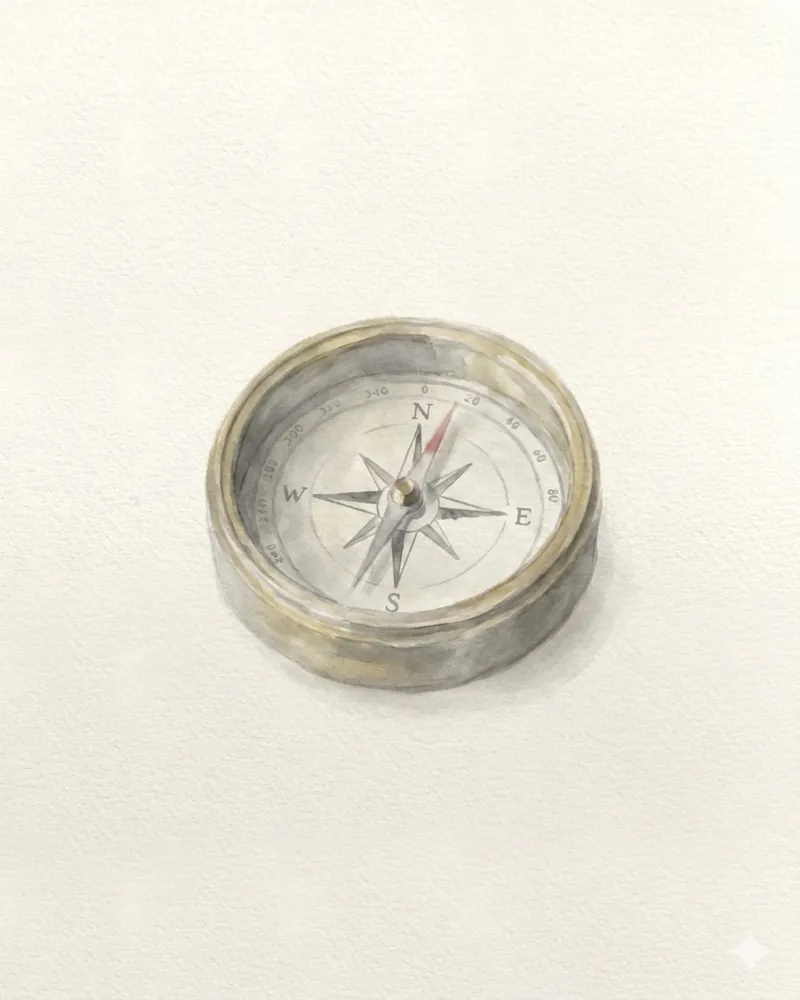
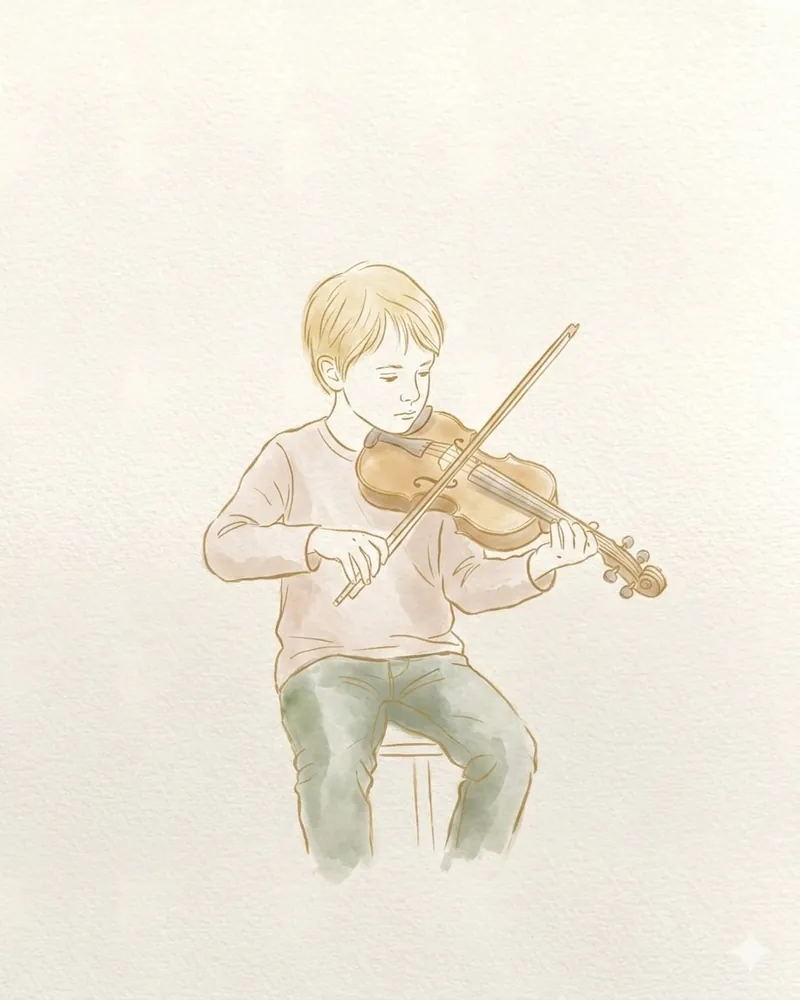
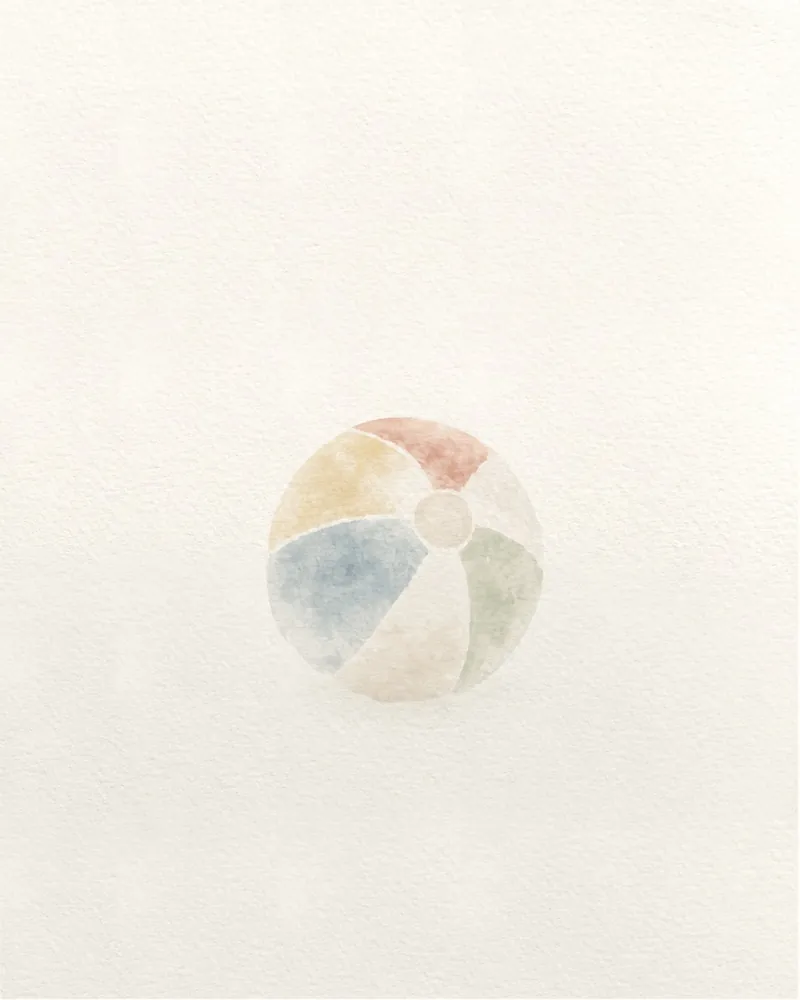
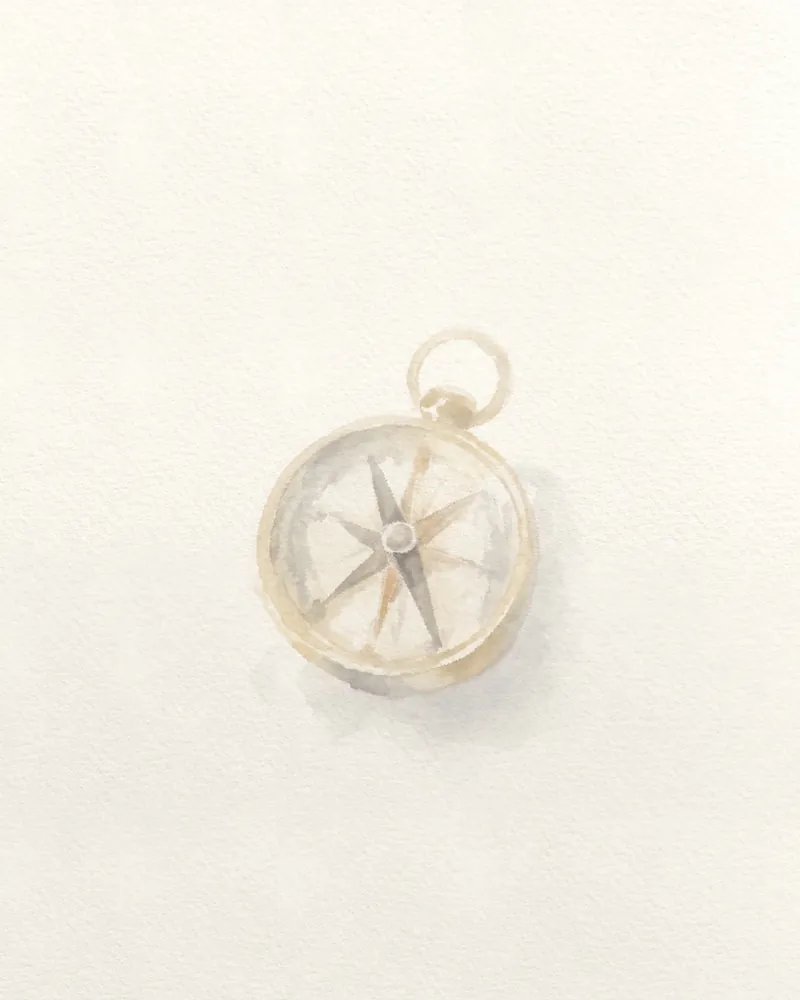
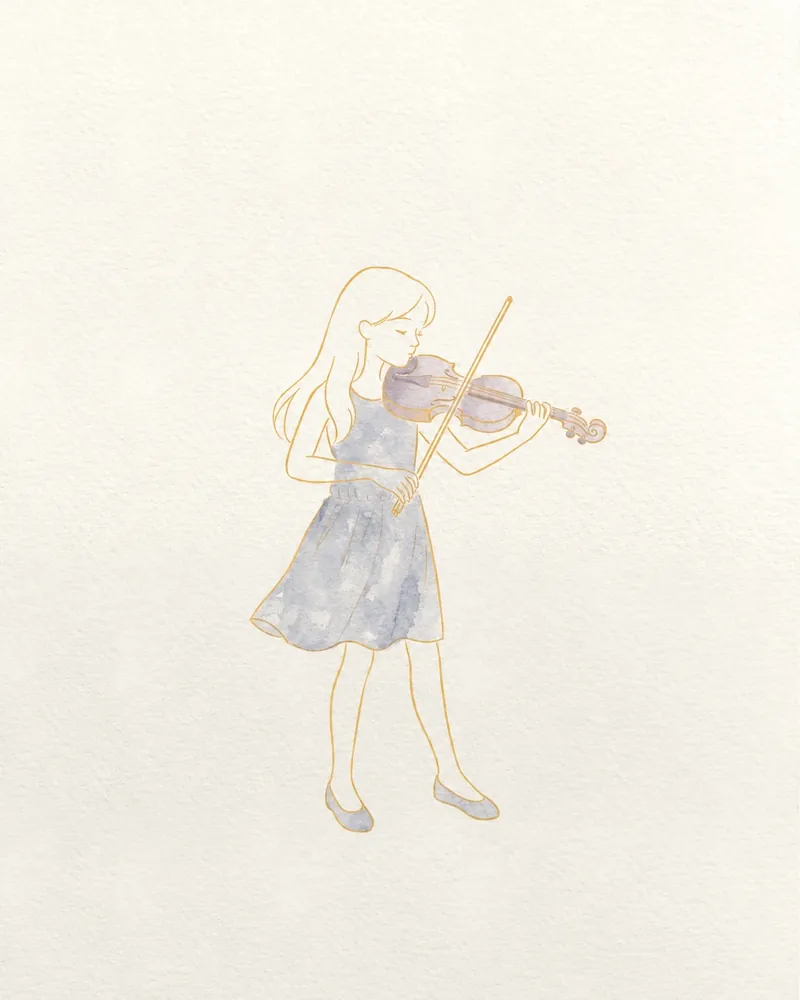
Then I went back to everything the artist had painted for Pathless Presence. I rated each piece by how close it came to the style, had Claude Opus, Claude Sonnet and GPT-5.5 rate it as well, and averaged the four scores. The best of her paintings became the references, I wrote the style down from them, and a few of the generator's own images that scored as well as hers joined the set. Every image it makes goes out with one of those references and the exact paper she paints on.
How the generator works
On a call after the first version shipped, their artist went through what it had made.
These are even better than if I'd painted them myself.
The result
Pathless Presence makes every image in-house now, for social posts, video intros, the website, book covers and posters, all in their artist's style and without commissioning a single one. The content agent writes the words that go with them in the brand's voice, and the community is open and free on the platform I built around it.
Syed is an absolute pleasure to collaborate with and one of the most impressive people I have had the pleasure to work with. The attention to detail, simplification of language, the efficiency and in general a great person to bounce ideas with. Looking forward to working with Syed and his team again. If I could give more stars I would. Thank you for bringing the project to life.
saif@silverthreadlabs.com